
The Key to Designing a Functional and Efficient Kitchen
Kitchen space planning is paramount when designing a practical and efficient kitchen.
Whether you're remodeling an existing kitchen or starting from scratch, meticulous consideration of space layout and organization is indispensable.
Proper space planning enhances workflow, maximizes storage capacity, optimizes functionality, and creates a warm environment for both cooking and socializing.
Below are some crucial considerations for kitchen space planning to help you make the most of your kitchen space:
Assess Your Needs
Begin by evaluating your needs and lifestyle. Consider how you use the kitchen, the number of people using it simultaneously, and the types of activities, such as cooking, dining, or entertaining.
This assessment will guide your space planning decisions and ensure that your kitchen meets your requirements.
The Work Triangle Concept

The kitchen work triangle concept is a fundamental principle of space planning.
It involves arranging the three primary work areas—refrigerator, sink, and cooking surface—into a triangular formation.
The goal is to minimize unnecessary movements and establish an efficient workflow between these key areas.
Layout Options
Depending on the size and shape of your kitchen, you have several layout options.
The most common include:
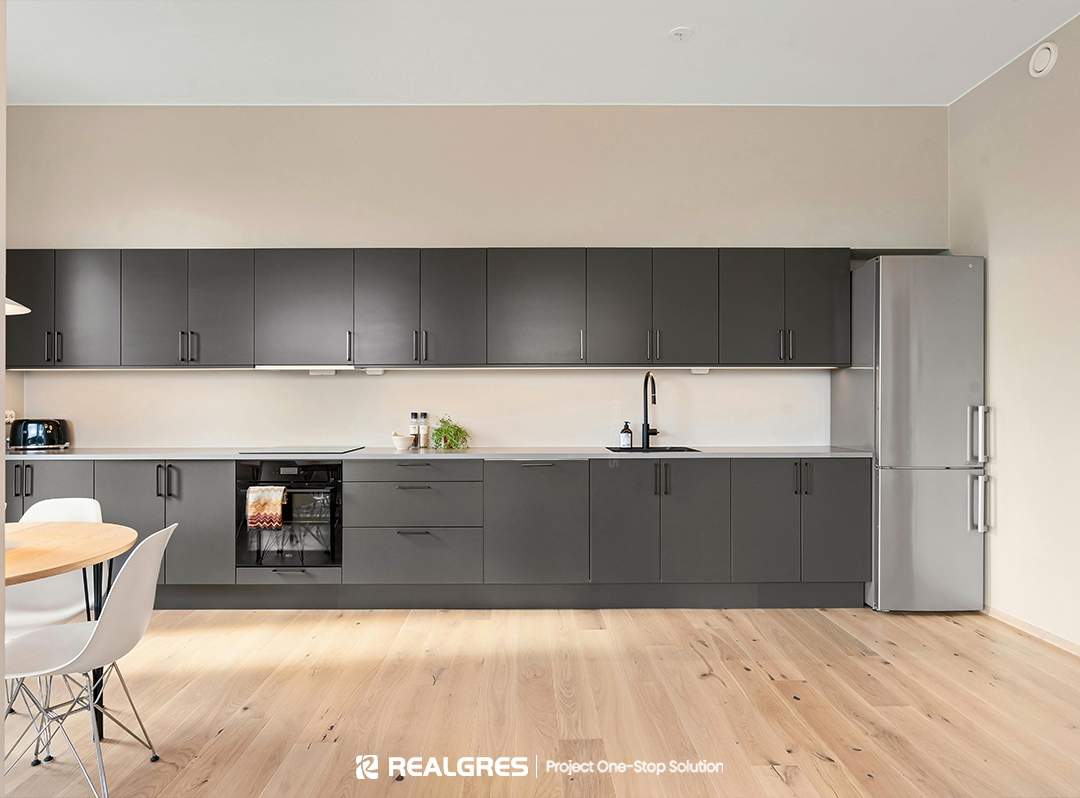
1.Single Wall
Suitable for small kitchens or open-plan layouts, where all kitchen elements are placed along one wall.
2.Galley
Ideal for narrow spaces, featuring two parallel countertops with a walkway in between.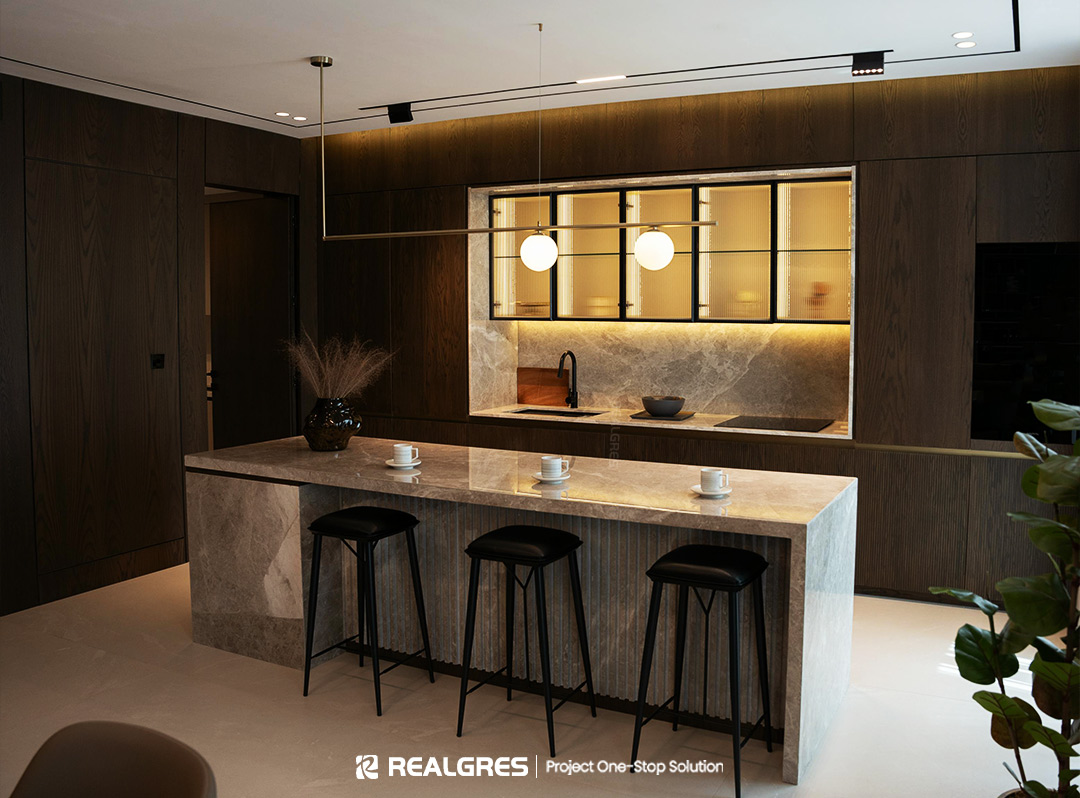
3.L-Shaped
Utilizes two adjacent walls, forming an L-shape. It provides ample countertop space and allows for flexible placement of appliances.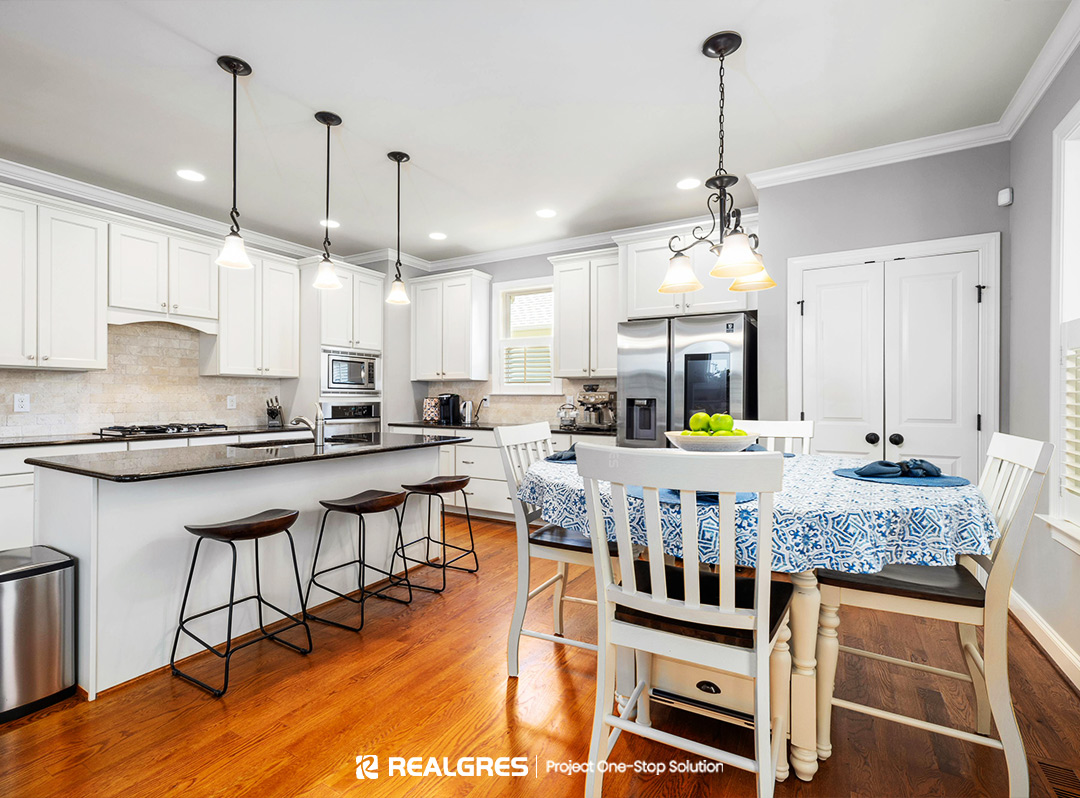
4.U-Shaped
Maximizes storage and countertop space by utilizing three walls. Suitable for larger kitchens, it allows for seamless workflow between different work zones.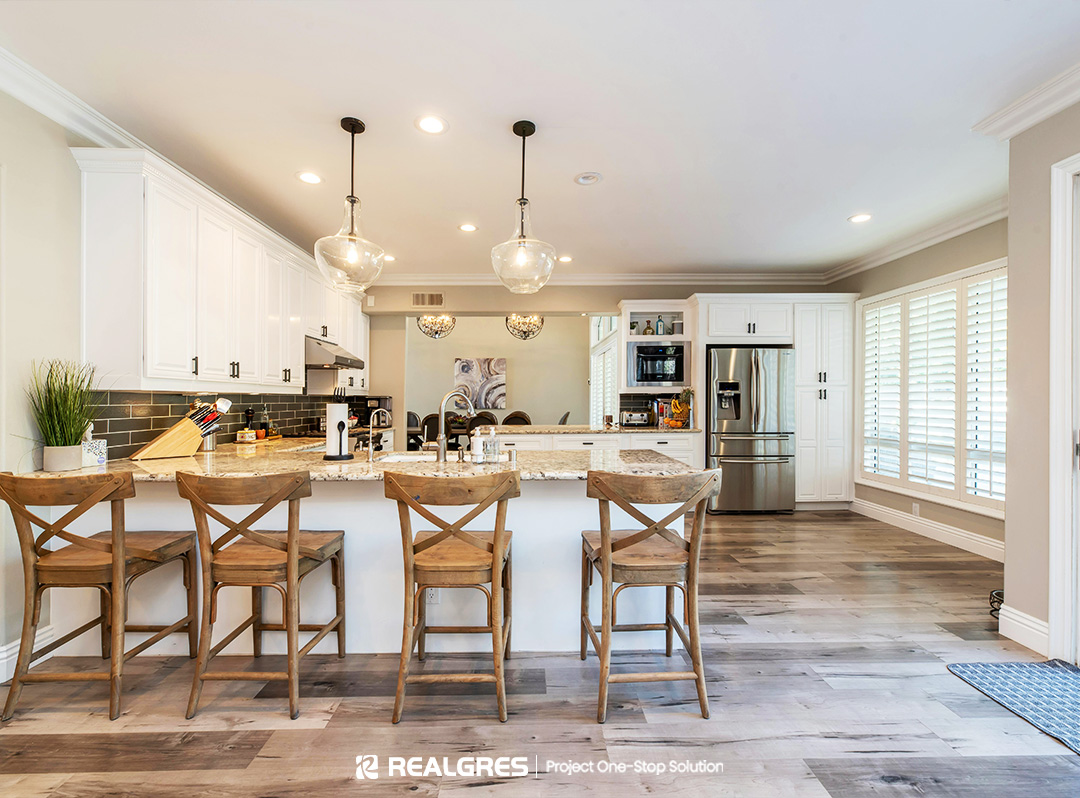
5.Island
Adding an island in the center of the kitchen is a popular choice. Depending on your needs and kitchen size, it can provide extra countertop space, storage, and seating.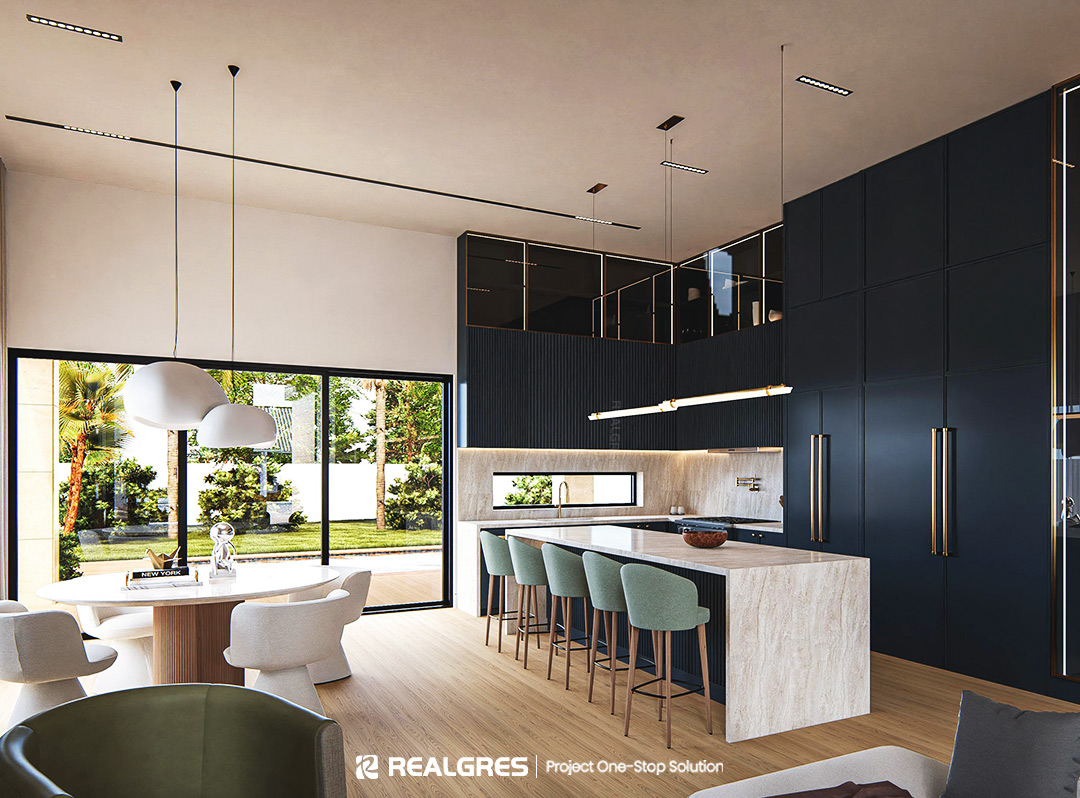
Clearance and Traffic Flow

Pay attention to clearances and traffic flow within the kitchen. The distance between countertops and obstacles should be at least 90 centimeters for easy movement. Ensure that appliances, cabinets, and doors do not obstruct each other when opened.
Storage Solutions
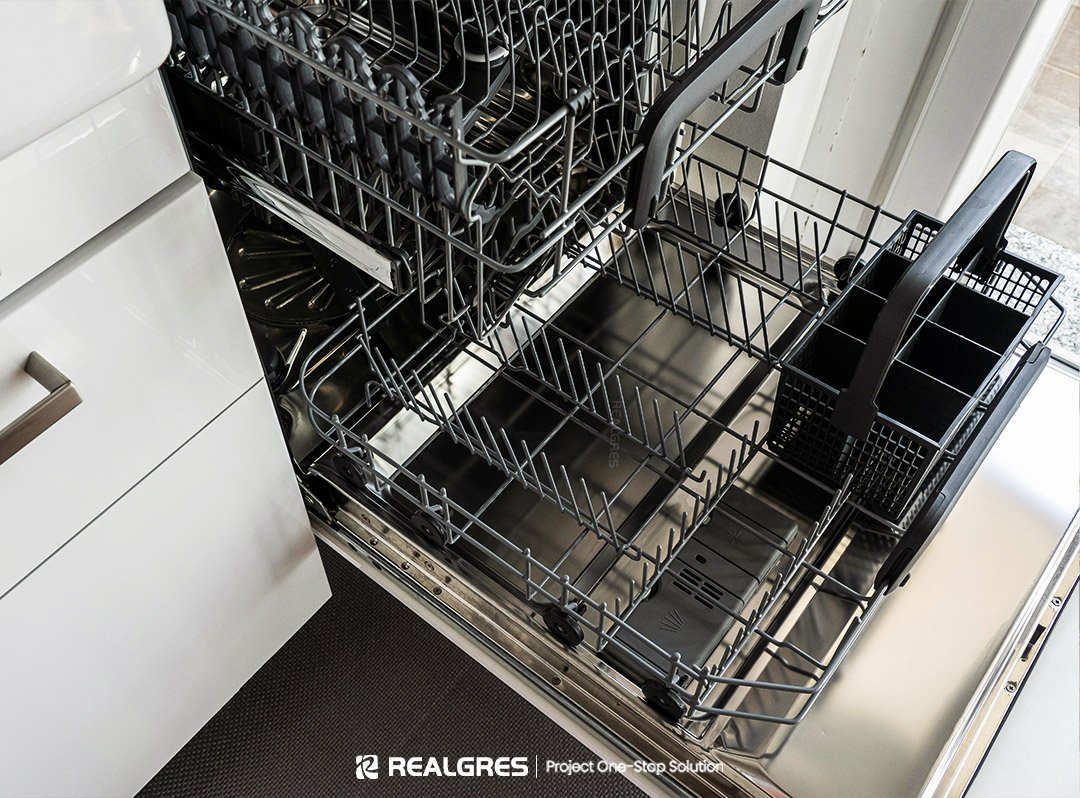
Efficient storage is essential in any kitchen. Combine cabinets, drawers, and open shelves to meet your storage needs. Consider utilizing vertical space by installing tall cabinets or a pantry.
Countertop Space
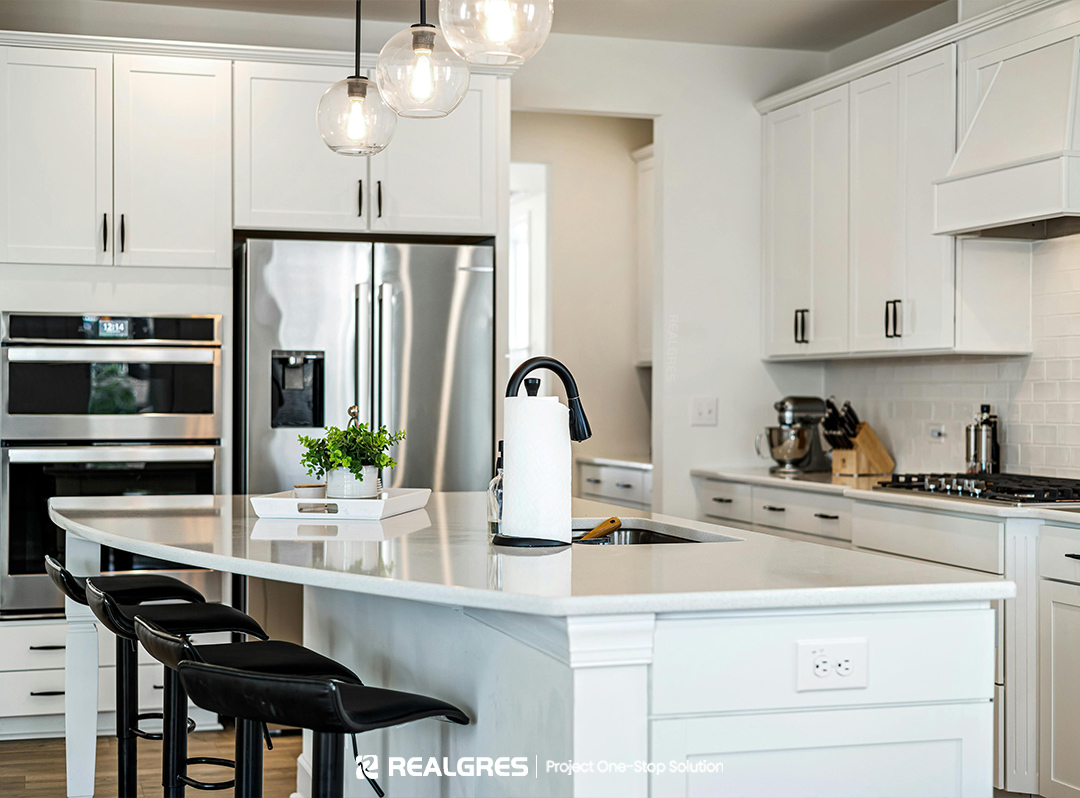
Adequate countertop space is vital for food preparation, cooking, and serving. Aim for at least 90 centimeters of continuous countertop space between appliances for ease of use. Allocate separate areas for food preparation, cooking, and cleaning.
Lighting
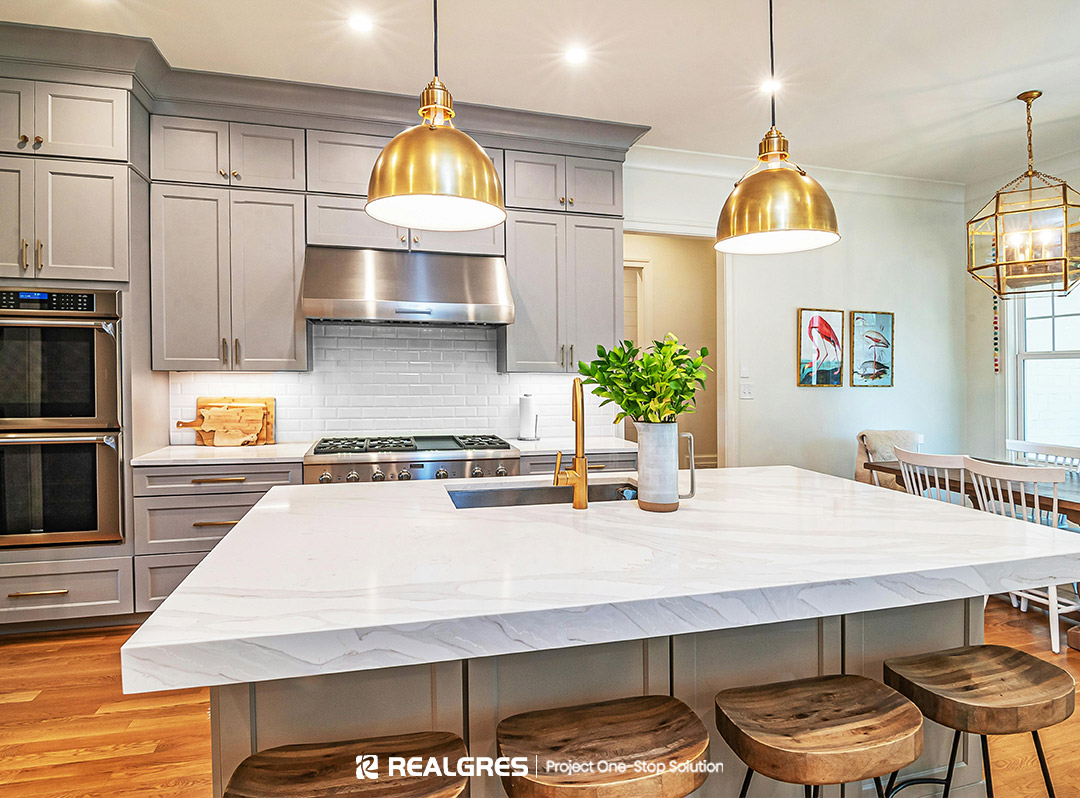
Proper lighting is crucial for both functionality and ambiance. Combine task lighting, ambient lighting, and accent lighting to illuminate different areas of the kitchen. Consider under-cabinet lighting to illuminate work areas on the countertops.
Ventilation
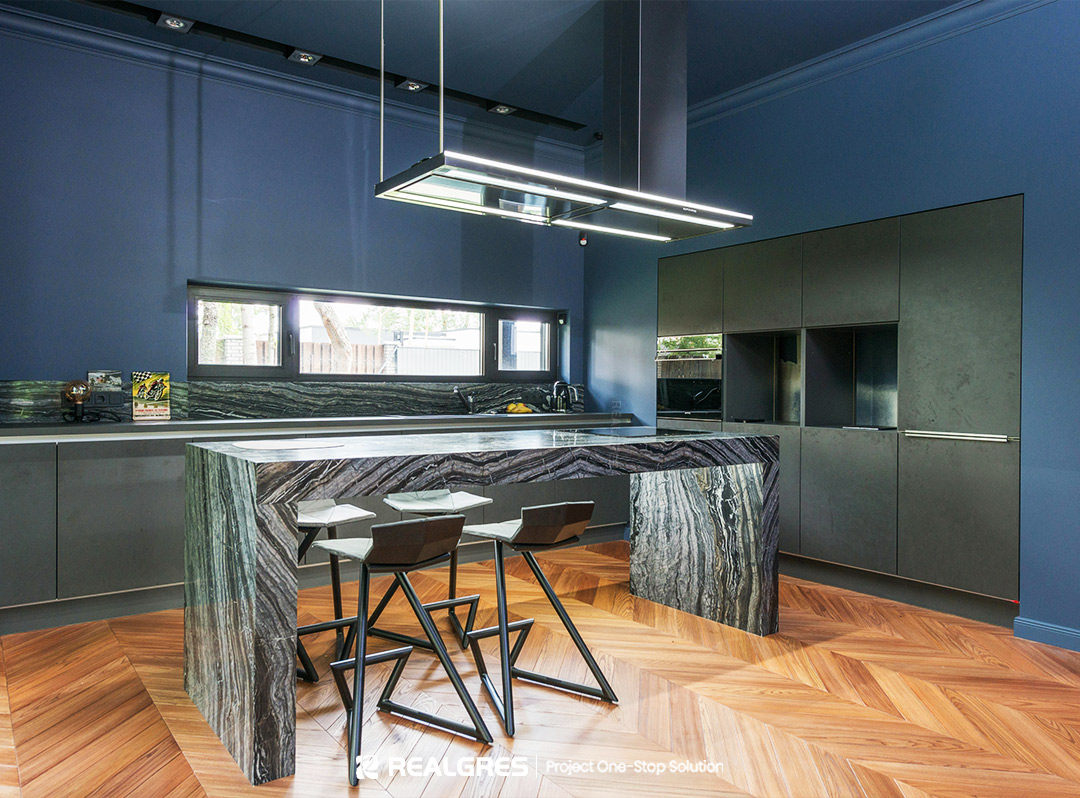
Good ventilation in the kitchen is essential for removing odors, smoke, and heat. Install a range hood or ventilation system to capture and exhaust cooking fumes. Ensure the range hood is positioned for optimal airflow and leave clearance above the cooking surface.
Electrical Outlets
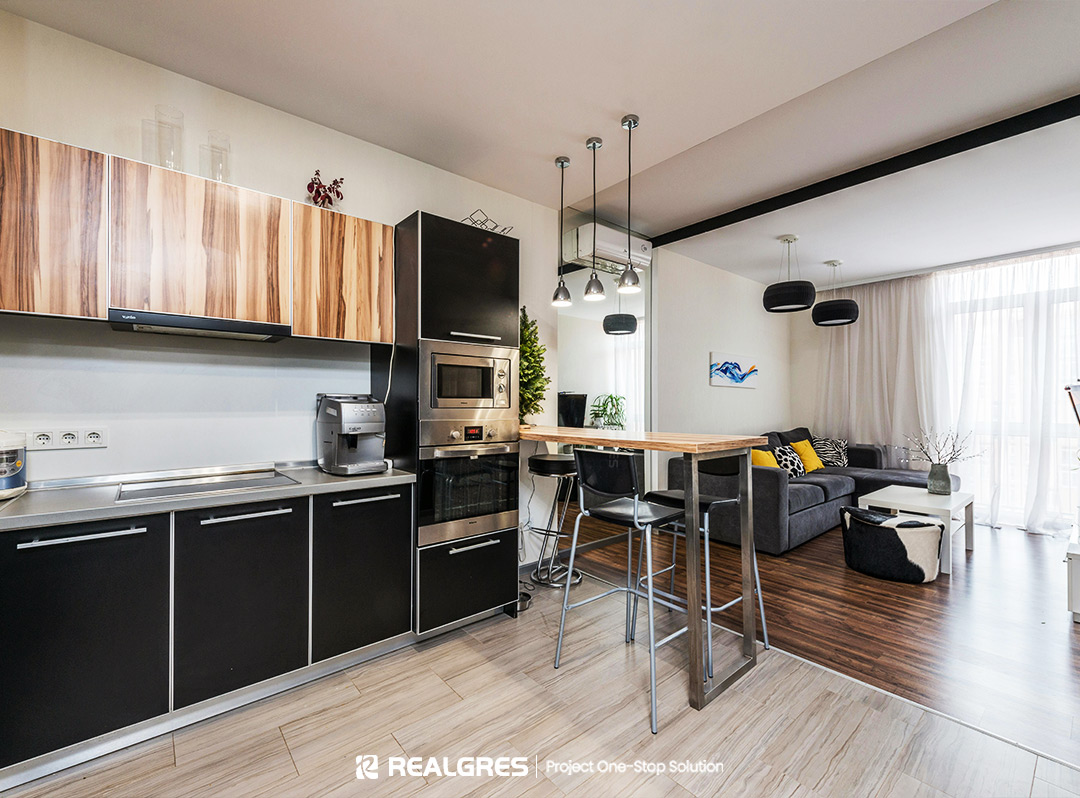
Strategically plan the placement of electrical outlets to ensure convenient access for small appliances, charging stations, and other electrical needs. Consider installing outlets on kitchen islands and backsplash areas to accommodate various appliances and devices.
Aesthetics and Personal Style
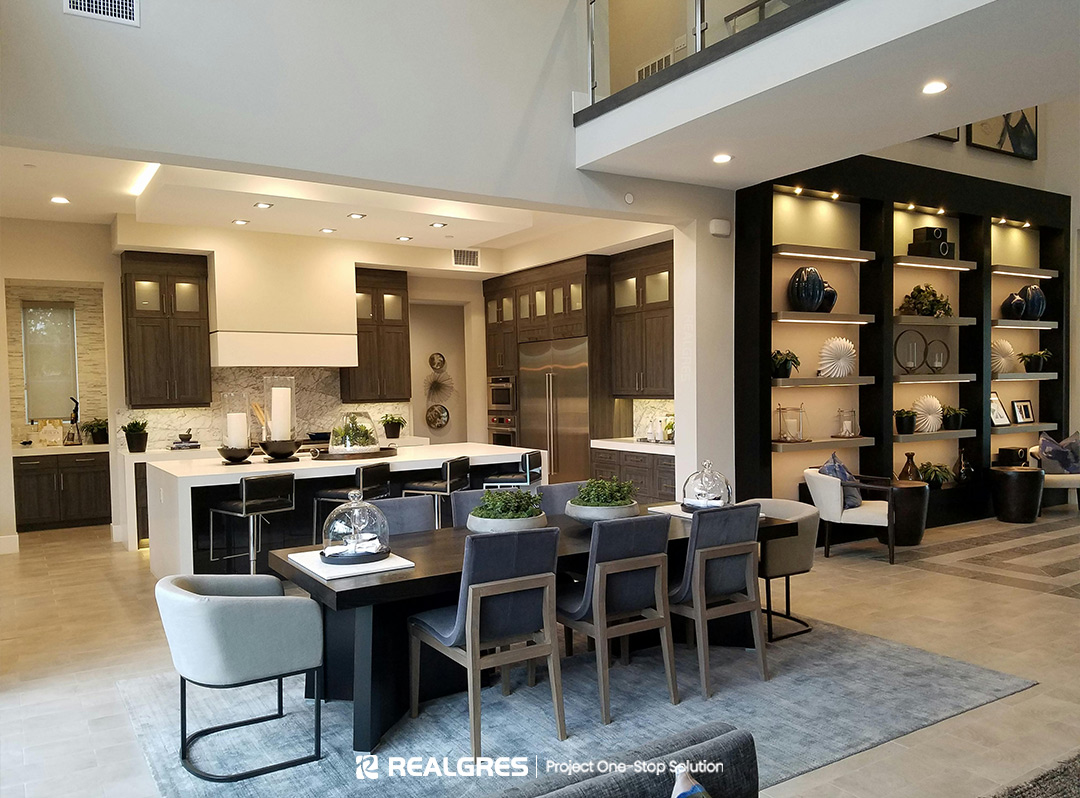
While functionality is paramount, the aesthetics of the kitchen should not be overlooked. Choose finishes, materials, and colors that reflect your style and complement the overall design of your home. Cohesive design elements create a visually appealing and harmonious space.
Future-Proofing
When planning your kitchen space, anticipate future needs. Consider potential lifestyle changes, technological advancements, and evolving family requirements. Incorporate flexibility into the design to accommodate future upgrades or modifications.
Each kitchen space is unique, and these suggestions should serve as a starting point. Adjust according to your needs and constraints to create a functional and aesthetically pleasing kitchen.